













India Pushes Home-Grown Messaging App in New Wave of Tech Nationalism
India’s push for its own messaging platform reflects more than just a technological upgrade; it’s a symbolic step toward digital independence. As the nation strengthens its local tech ecosystem, the world watches how India balances innovation, privacy, and nationalism in the evolving digital era.

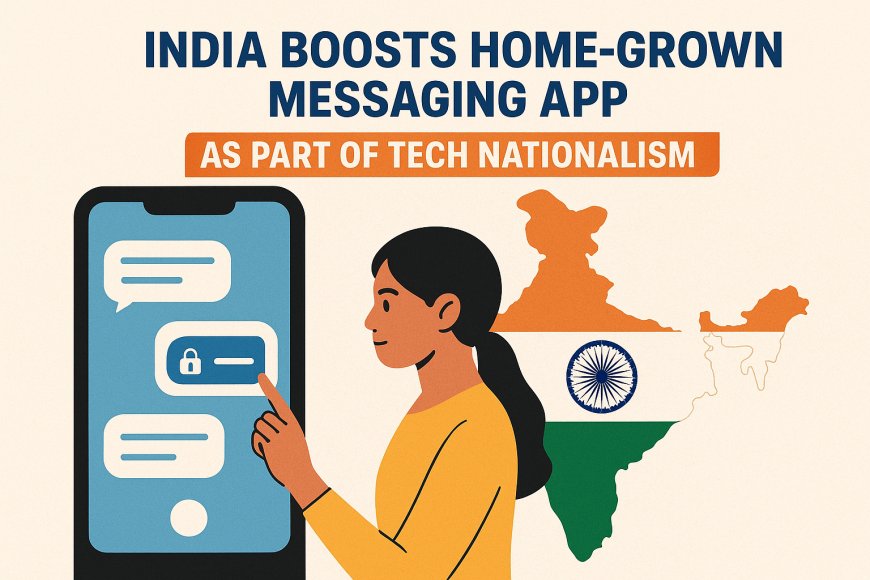
In a strategic move underscoring the country’s growing focus on technological self-reliance, India has intensified its support for a home-grown messaging platform. The initiative aligns with the government’s broader “Digital India” and “Atmanirbhar Bharat” (self-reliant India) vision, aiming to create indigenous alternatives to global tech giants like WhatsApp and Telegram.
The Ministry of Electronics and Information Technology (MeitY) has reportedly increased its backing for Indian-made communication apps, emphasizing data privacy, sovereignty, and national security. The move also reflects a growing sentiment within India to reduce dependency on foreign digital infrastructure, especially amid global tensions surrounding data control and digital dominance.
The locally developed messaging app — currently being promoted within government departments and public institutions — is said to feature encrypted messaging, group communication tools, and cloud storage hosted entirely on Indian servers. Officials claim this ensures user data remains within national boundaries, a significant step toward safeguarding sensitive communication.
Experts view this initiative as part of a larger “tech nationalism” trend, where countries develop native solutions to counterbalance the influence of international tech corporations. India’s push for indigenous apps is not new; similar efforts have been seen in digital payments, social media, and AI-driven services.
Industry analysts believe that with sustained government support and public adoption, the home-grown messaging app could evolve into a secure, scalable platform serving both public and private sectors. If successful, it may set a precedent for India’s broader ambitions in the digital sovereignty race — positioning the country as a major player in the global tech landscape.
Conclusion:
India’s push for its own messaging platform reflects more than just a technological upgrade; it’s a symbolic step toward digital independence. As the nation strengthens its local tech ecosystem, the world watches how India balances innovation, privacy, and nationalism in the evolving digital era.