













Meta Strengthens Hardware Ambitions by Appointing Alan Dye as Chief Design Officer
Meta appoints former Apple design chief Alan Dye to lead consumer hardware design, signaling its major push into AI-powered devices and immersive tech.

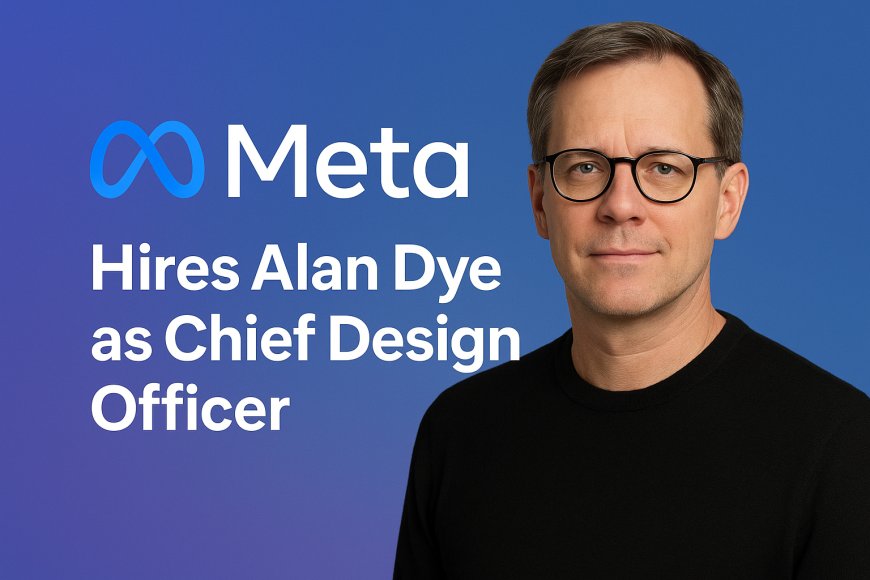
Meta Platforms has taken a decisive step toward expanding its presence in consumer hardware and AI-driven experiences by appointing Alan Dye, a long-time design leader from Apple, as its new Chief Design Officer. This strategic move highlights Meta’s intent to evolve beyond its core identity as a social media company and establish itself as a serious player in the next generation of intelligent devices.
A Strategic Shift in Leadership
Alan Dye is widely recognized for helping shape the visual identity and user experience of some of the world’s most iconic products. His influence on interface design transformed how millions of people interact with smartphones, wearables, and everyday digital tools. By bringing him on board, Meta signals a new level of commitment to product elegance, intuitive design, and seamless interaction across both physical and digital environments.
This leadership change is more than a new job title — it reflects a shift in Meta’s priorities. The company is increasingly directing its resources toward AI-powered hardware, immersive technologies, and products that blend the physical and virtual worlds.
Beyond Social Media
For years, Meta has been known primarily for its social platforms. However, the digital landscape is changing rapidly. The rise of artificial intelligence, augmented reality, and spatial computing has opened up a new frontier where hardware and software must work together flawlessly.
Meta has already made progress in smart glasses, virtual reality headsets, and mixed-reality experiences. With Alan Dye overseeing design, the focus is likely to sharpen on building devices that are not only powerful but also intuitive, comfortable, and visually appealing to everyday users.
The Role of Design in the AI Era
As AI becomes more integrated into consumer technology, design takes on an even more important role. AI-powered products must feel natural, transparent, and easy to trust. The success of these devices will not depend solely on performance, but on how effortlessly people can interact with them.
Dye’s experience in creating clean, user-centered design systems could help Meta bridge the gap between complex AI technology and simple human experience. From gesture-based controls to natural-language interfaces, design will determine how accessible and widely accepted these future products become.
What This Means for the Tech Industry
Meta’s decision to attract top talent from one of its biggest rivals shows that competition in the tech world is entering a new phase. Instead of focusing only on apps and advertising, companies are now racing to define the future of AI-powered consumer hardware.
This shift could trigger a new wave of innovation, where hardware becomes more personal, immersive, and intelligent. For users, it means more advanced devices that adapt to their needs while maintaining a focus on privacy, usability, and aesthetics.
Looking Ahead
Alan Dye’s appointment may mark a turning point for Meta’s product strategy. By uniting world-class design thinking with advanced AI capabilities, the company appears ready to build technology that goes beyond screens and enters the realm of truly immersive experiences.


)